

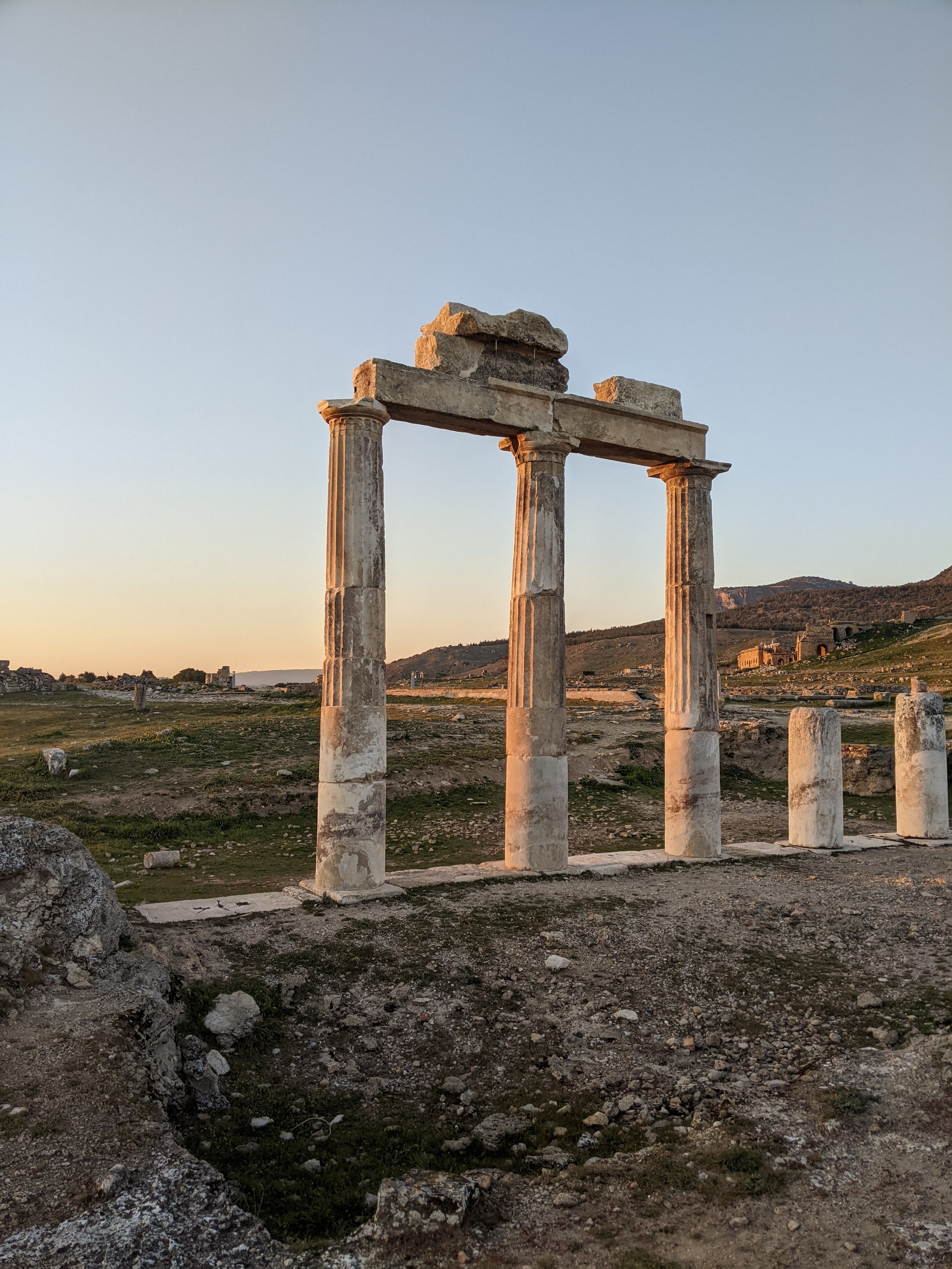
Emperor Constantine the Scapegoat
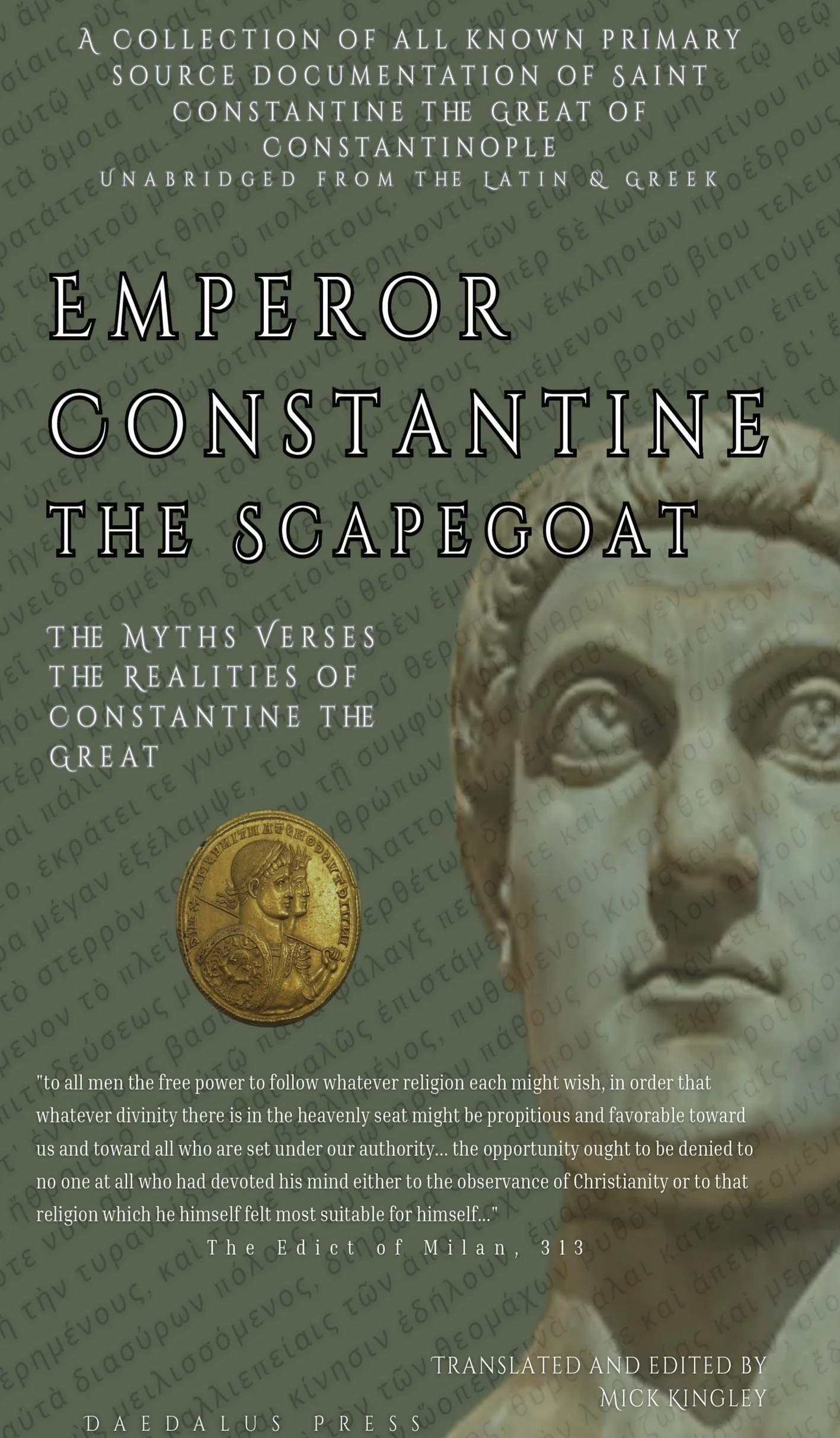
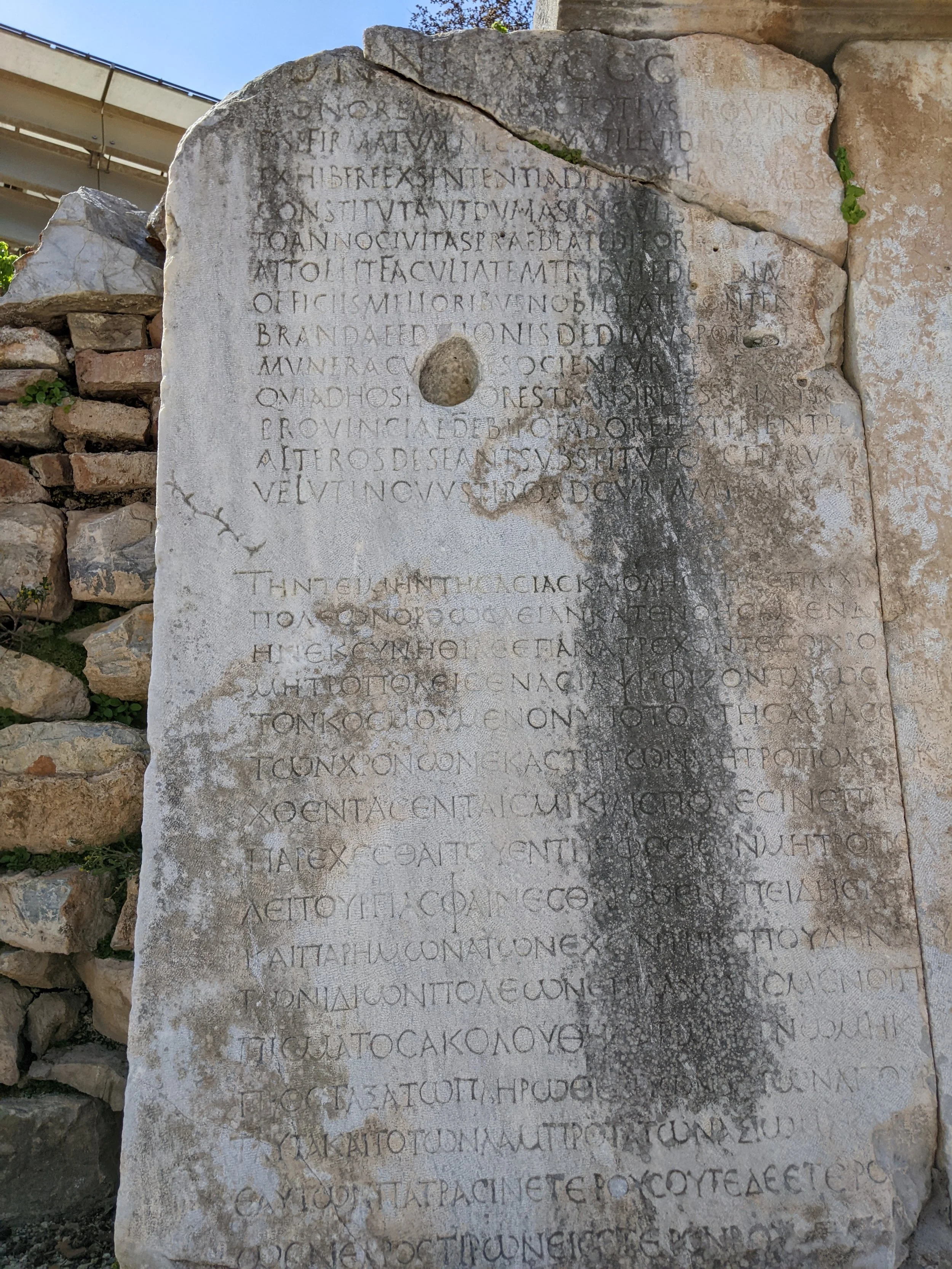
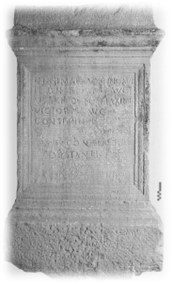
"…to all men the free power to follow whatever religion each might wish, in order that whatever divinity there is in the heavenly seat might be propitious and favorable toward us and toward all who are set under our authority... the opportunity ought to be denied to no one at all who had devoted his mind either to the observance of Christianity or to that religion which he himself felt most suitable for himself..."
— The Edict of Milan, 313 AD"It was possible then to see, with how great authority that solemnity of piety, under the continuity of cruelty, was enduring no ordinary insults each day, and chastity, which no enemy had ever wronged, was becoming a by-product of the drunken violence of angry citizens. What fire, what tortures, what kind of rack was not applied indiscriminately to every body and every age? The earth was then undoubtedly weeping, and the world that contains everything was bewailing itself being stained with blood, and the day itself was veiling itself in the grief of the spectacle."
From Eusebius, Life of Constantine, Book Two — on ending the tyrant's persecution
Constantine the Scapegoat presents the first single-volume English collection of unabridged primary source translations bearing directly on the reign and legacy of Constantine the Great. The volume includes the XII Panegyrici Latini in fresh translation from the Baehrens 1874 Teubner edition, Lactantius's De Mortibus Persecutorum, Eusebius's Vita Constantini and Historia Ecclesiastica (selections), the Itinerarium Burdigalense of 333 AD, Constantine's correspondence with Arius and Alexander of Alexandria in the lead-up to and aftermath of the Council of Nicaea, the Nicene conciliar documents themselves, and the imperial rescripts and ecclesiastical legislation preserved in the Codex Theodosianus and Codex Justinianus. Each text is accompanied by a critical introduction situating it within the documentary and historiographical record.
Every Protestant tradition that departs from the historic teachings of the ancient church needs a villain, and for five centuries, Constantine the Great has filled that role with remarkable versatility.
Sit down with a Fundamentalist or a Baptist, and they will tell you there was no structured, organized church until Constantine created a "state church." Sit down with an anti-Trinitarian—like a Mormon, Jehovah’s Witness, or Atheist—and they will claim Constantine single-handedly invented the Trinity and forced the divinity of Christ upon a previously unitarian church. The Anabaptist will repeat the myth that Constantine invented infant baptism to collect taxes. The Calvinist will claim Constantine and Latin theologians introduced the concept of Free Will, while also bizarrely blaming him for forcing icons upon the church. The Zwinglian will claim he created the idea of the real presence in the Eucharist. The Charismatic blames him for inventing ritualistic worship; the Presbyterian blames him for inventing bishops; the Jehovah’s Witness blames him for the idea that Christ was crucified on a cross instead of a stick; and the Postmodernist claims he hid Jesus' lineage and wife to gain power.
Ask any of these groups for the exact historical document that proves their claims, and you will get no reply. In most cases, they cannot even say with confidence when Constantine lived or where he died. Every one of these positions is an argument from silence. But the problem with arguments from silence is that history, text, and archaeology are incredibly loud.
We have more primary-source documentation of Constantine the Great’s reign than any other Roman leader, by far. His legal pronouncements were systematically recorded and later incorporated into major law collections. His correspondence with bishops, councils, and provincial officials survived in abundance, heavily preserved by the Christian institutions he patronized, and thoroughly documented by contemporary historians like Eusebius of Caesarea and Lactantius.
Constantine the Scapegoat presents the first single-volume English collection of unabridged primary source translations bearing directly on the reign and legacy of Constantine the Great, creating a complete, 360-degree view of his life. The case this volume makes is not argumentative, but archival. The documentary record is accessible to any reader willing to consult it, and that record does not support a single one of the mythologies modern traditions have built around him.
The volume includes:
The XII Panegyrici Latini in fresh translation
Lactantius's De Mortibus Persecutorum
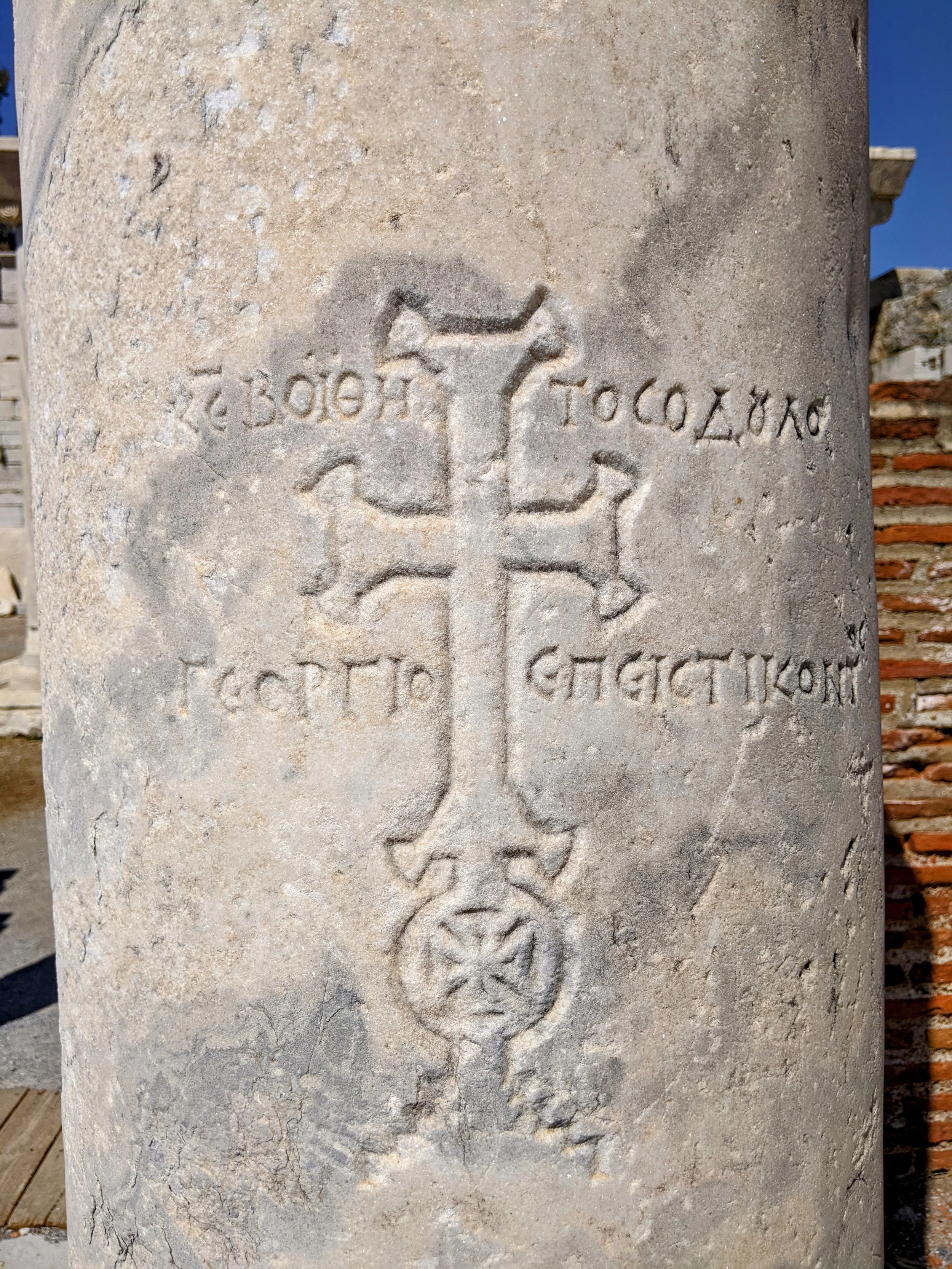
Hundreds of minor inscriptions on monuments
Eusebius's Vita Constantini and Historia Ecclesiastica (selections)
The Itinerarium Burdigalense of 333 AD
Constantine's correspondence with Arius and Alexander of Alexandria surrounding the Council of Nicaea
The Nicene conciliar documents
The imperial rescripts and ecclesiastical legislation preserved in the Codex Theodosianus and Codex Justinianus
Each text is accompanied by a critical introduction situating it within the documentary and historiographical record.
In reality, Constantine's legal edicts show a ruler who extended protections to Christians, restored confiscated property, and restricted pagan sacrifice—not an emperor who invented sacraments, fabricated liturgy, or created an institutional church where none existed. His letters regarding Nicaea show an administrator who regarded the Arian dispute as a quarrel over abstraction that he wanted minimized. He was sympathetic to Arius and did not want him denounced. While he organized the council and acted as patron and mediator, he had no doctrinal authority over proceedings he did not fully understand, and deferred entirely to the bishops who argued from established scripture and tradition. He had no influence on Christian theology beyond administrative oversight, and made no changes to apostolic, biblical practices like infant baptism (the Christian replacement for circumcision).
So where did the anti-Constantinian myth come from? Against the historical record stands a tradition of revisionism that this volume traces in detail. The myth originates not in fourth-century evidence, but in an eighth-century papal forgery known as the Donation of Constantine (Constitutum Constantini). Though exposed as fraudulent by Lorenzo Valla in 1440, it was weaponized by Radical Reformation and Anabaptist writers who required a plausible historical cause for fifteen centuries of church development they wished to disown. This constructed narrative of fourth-century apostasy was passed down through Free Church communities for five hundred years, acquiring academic respectability through John Howard Yoder's twentieth-century "Constantinian shift" thesis, before settling into the unexamined assumptions of modern evangelicalism.
The deeper problem this myth conceals is one that every restorationist tradition must eventually face. If Constantine did not invent these doctrines or build an "institutional" church, then the historic church was simply articulating what it already believed and received from the Apostles.This simple myth, when broken, eliminates a convenient narrative within Restorationalist communities to justify following new theologies that contradict those of "all Christians throughout all time, everywhere". How do you explain that all Christian churches- from the Coptics to the Armenians to the Indian St. Thomas Christians all baptize infants, venerate icons and pray to marry, if this cannot be pinned on a single person of era? The Constantine era myth, although easily falsifiable, is tenacious precisely because there is no other easy scapegoat.
The apostolic church that restorationists imagine; one of unstructured concert-style, iconless and hyper-emotional worship with a "religionless" gospel and personal interpretation of the Bible, simply never existed. What did exist was a highly organized faith whose services resembled modern Orthodox and Catholic traditions far more than any Protestant denomination, a robust Hellenistic Iconographic tradition stemming from the Jewish Iconography, and a clear apostolic episcopal descent of all Priests. This leads one to an inconvenient truth: the Reformation was not a restoration of something ancient, "original", or Apostolic, but a brand new religion which bears no resemblance to the church of the New Testament.